
Federico Pianzola. Digital Social Reading: Sharing Fiction in the Twenty-First Century.
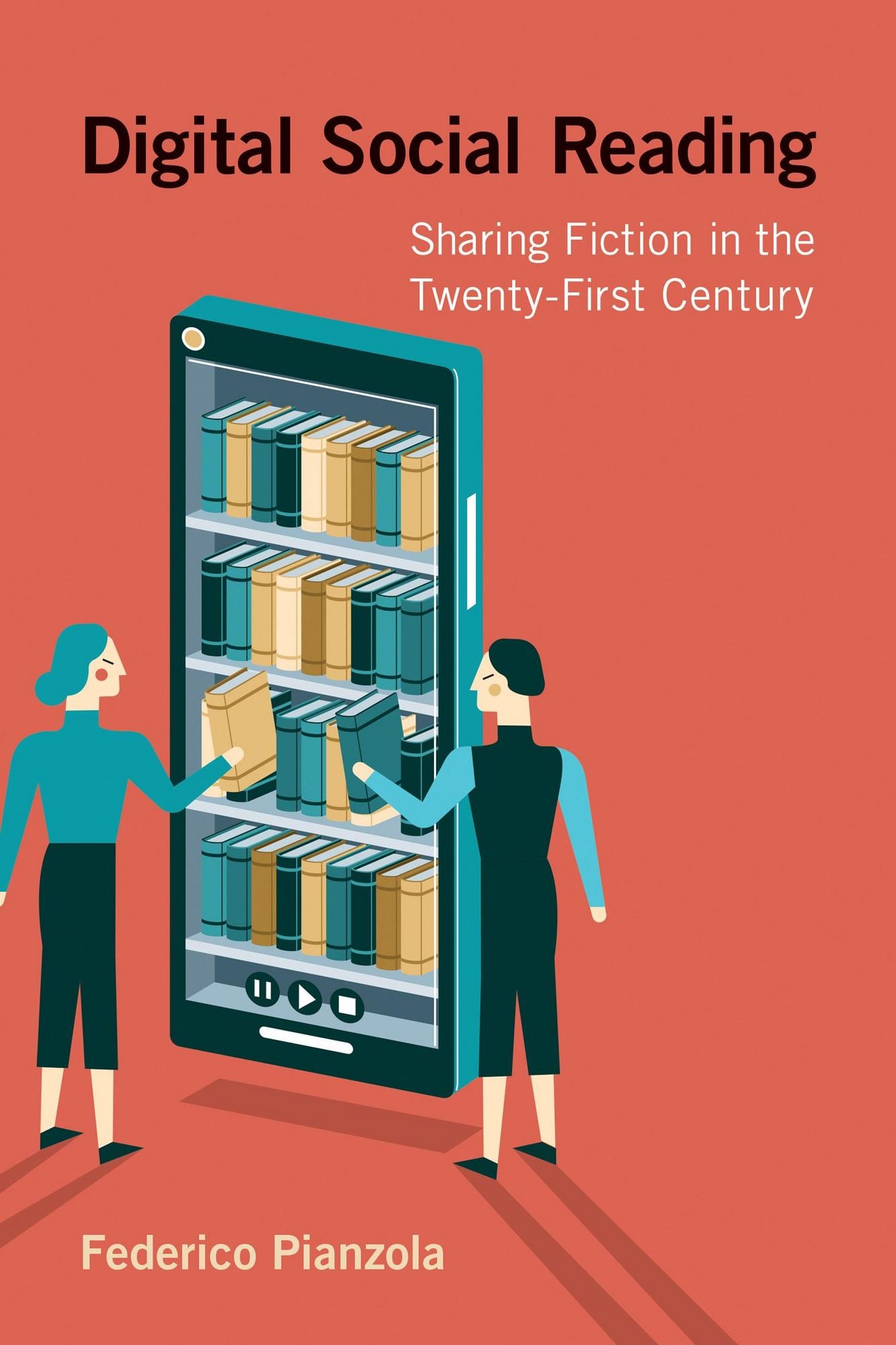
Federico Pianzola. Digital Social Reading: Sharing Fiction in the Twenty-First Century. Cambridge: MIT Press, 2025. 213 pages. ISBN 9780262550918. US $40 (paperback).
To understand how people read with digital technologies today, Digital Social Reading brings together several scholarly threads to analyze the myriad ways that readers interact with texts and with one another through digital reading platforms. Federico Pianzola defines Digital Social Reading (DSR) as “a term encompassing a wide variety of practices related to the activity of reading and using digital technologies (computers, tablets, mobile phones, e-readers) and platforms (websites, social media, mobile apps) to share thoughts and impressions about stories and other types of documents” (p. 5) and argues that contemporary reading practices can only be fully understood by examining the online context in which they take place. This book provides that context.
As Assistant Professor in Computational Humanities at the University of Groningen and a researcher on the EU-funded Stavanger Declaration Concerning the Future of Reading (2018), Pianzola is perfectly situated to tackle this long-overdue topic. He summarizes his own research on his website as using “computational, qualitative, and quantitative methods to study reader response,” and this expertise shines through in the breadth and depth of material covered.
Largely through quantitative methods, Pianzola analyzes how readers interact with texts in digital spaces using three case studies: Wattpad (understanding reader behavior through marginalia); Archive of Our Own (AO3) (how authors and readers interact through fanfiction); and Goodreads (which looks at cataloging, rating, and reviewing behavior). These case studies are extremely thorough, covering how the sites function, who uses them, and how these users interact with one another and with the platform. Chapter 4, “Fanfiction,” is exemplary of the information these case studies provide, especially to those of us who came of age in the print era and seek to understand the habits of our digital native students. Pianzola describes not only how AO3 functions—defining its features, like tagging, hits, and “kudos”—but also contends that its data shows that readers and writers of fanfiction are looking for more diversity in the canon.
The case studies are bookended with chapters that look at the broader cultural scope of DSR by tracing the history of social reading and the wide variety of digital social reading practices. They consider the reality of DSR practices when compared to the “worries and hopes voiced both in the scientific literature and the mass media” (p. 138). In these chapters, Pianzola draws together research from the various scholarly conversations around digital reading and literacy. This taxonomizing of digital reading practices and exhaustive coverage of contemporary scholarship on the topic is one of the book’s greatest strengths.
While Pianzola’s research on the specific platforms of Wattpad, AO3, and Goodreads will appeal to literacy, media, and book studies scholars who want to understand the basics of those platforms, experts on fanfiction or Goodreads, for instance, may not find any new ground being broken here. Book historians will find the first and last chapters especially useful, as Pianzola elucidates the evolution of reading technology and social responses to that evolution. What stood out to me most, however, from a disciplinary perspective, is how much this book calls for the integration of platform studies with reading and reception studies. In showing the prevalence of Gen Z’s interactions with digital reading platforms, Pianzola’s work intersects with that of media scholars like Lev Manovich and Lori Emerson who point to how software shapes the content users produce based on the software/platform’s design. Pianzola’s explanation of how these platforms work is an invitation to think more deeply about how their design shapes reading and social practices.
Those looking for extensive critiques of software/platforms may be disappointed; while Pianzola does briefly give attention to the exploitative potential of platforms owned by large tech companies, this book is not an in-depth critique of what Simone Murray and Ted Striphas term “platform capitalism,” but rather an explanation of reader behavior on these platforms (p. 138). Similarly, those who focus on the representation of reading or circulation of titles on social media sites that are not reading platforms, like Instagram or TikTok, will not find much discussion of reading on non-reading sites, although the explanations of social reading can still be usefully applied to other spaces.
Instructors of literature, writing, and related subjects who wrestle with the generation gaps between their own reading styles and their students will greatly benefit from Pianzola’s work and will find his chapter on the variety of DSR practices especially useful for thinking about how to leverage students’ already-digital reading experiences for course work. Those of us who have spent many hours grading online discussion assignments will also find this section helpful for understanding how online discussion posts shape textual interaction.
In sum, Pianzola accomplishes what he set out to do: bringing together scholarship on reading practices and research on reading platforms to understand how readers read and interact with one another in digital spaces. Equally, if not more importantly, Pianzola’s thorough explanation of these subjects reveals that reading in a digital ecosystem is entirely different from that of the print ecosystem and understanding this is key to understanding all that is transpiring as reader behavior is shaped by the post-print era.
Abigail Moreshead, Independent Scholar