-
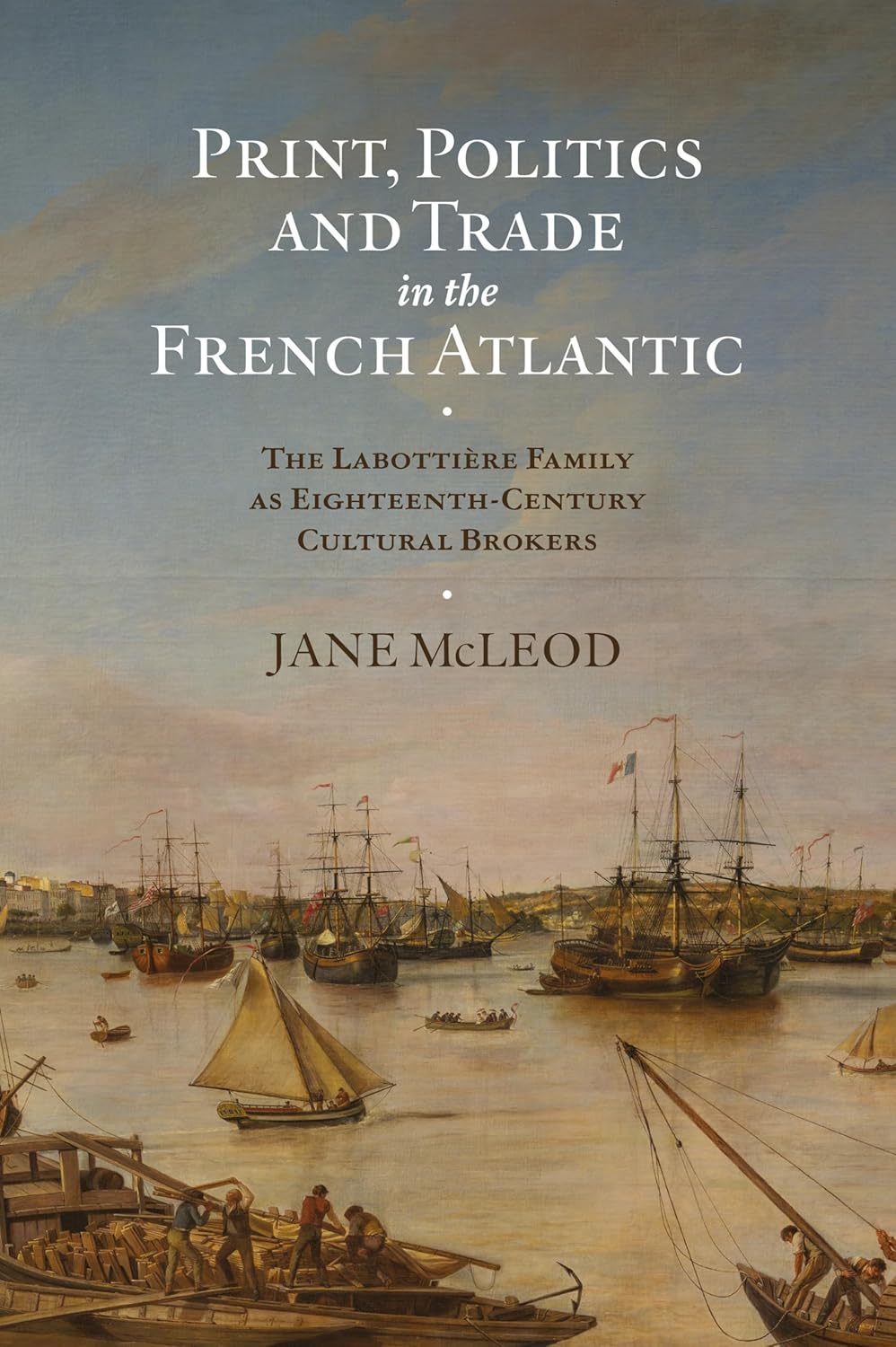
Jane McLeod. Print, Politics and Trade in the French Atlantic: The Labottière Family as Eighteenth-Century Cultural Brokers.
A microhistory of 31 members of a French provincial printing/bookselling family, this book examines the Labottières’ rise to prominence, the works they printed and imported, their business and familial connections…
-
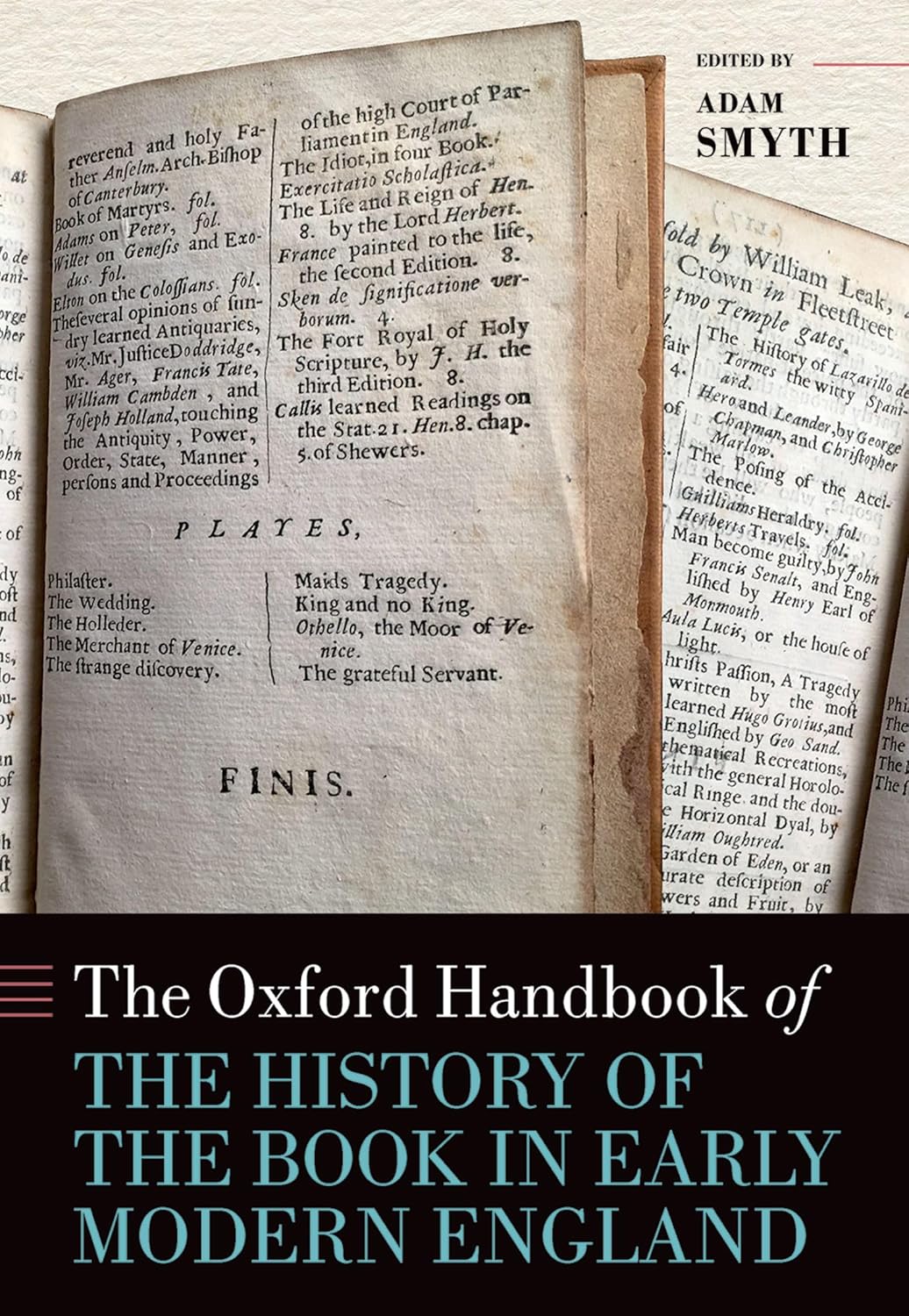
Adam Smyth, ed. The Oxford Handbook of the History of the Book in Early Modern England.
This volume analyzes the “nature and role of the book in early modern England” and offers new critical perspectives on the history of the book, with an emphasis on the…
-
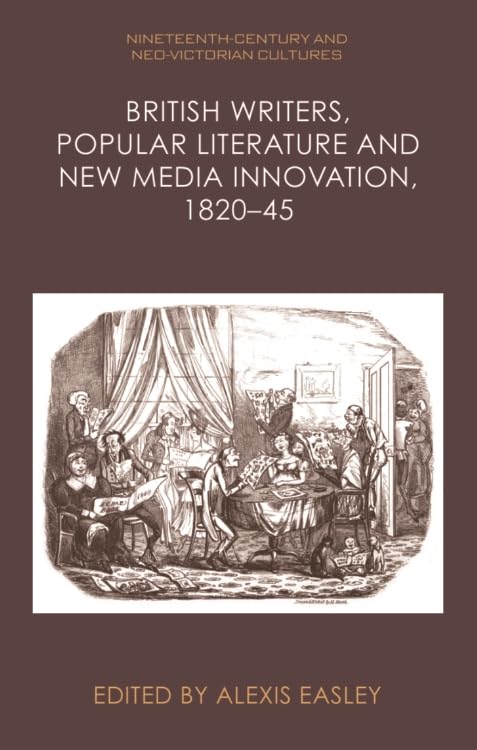
Alexis Easley, ed. British Writers, Popular Literature, and New Media Innovation, 1820-45.
The twelve essays in this volume explore early nineteenth-century Britain’s new media, modes of production, and types of authors, editors, illustrators, publishers, and readers, revealing that features of media culture…
-
Martin Paul Eve. Theses on the Metaphors of Digital-Textual History.
Eve unravels networks of conceptual, political, and technological premises embedded in the metaphors we use to label digital technologies of textual production.
-

Laura E. Helton. Scattered and Fugitive Things: How Black Collectors Created Archives and Remade History.
With clear and engaging prose, Helton animates the inventiveness of Black librarians, scrapbookers, collectors, curators, and archivists who salvaged and preserved records of Black life by and for Black communities…
-
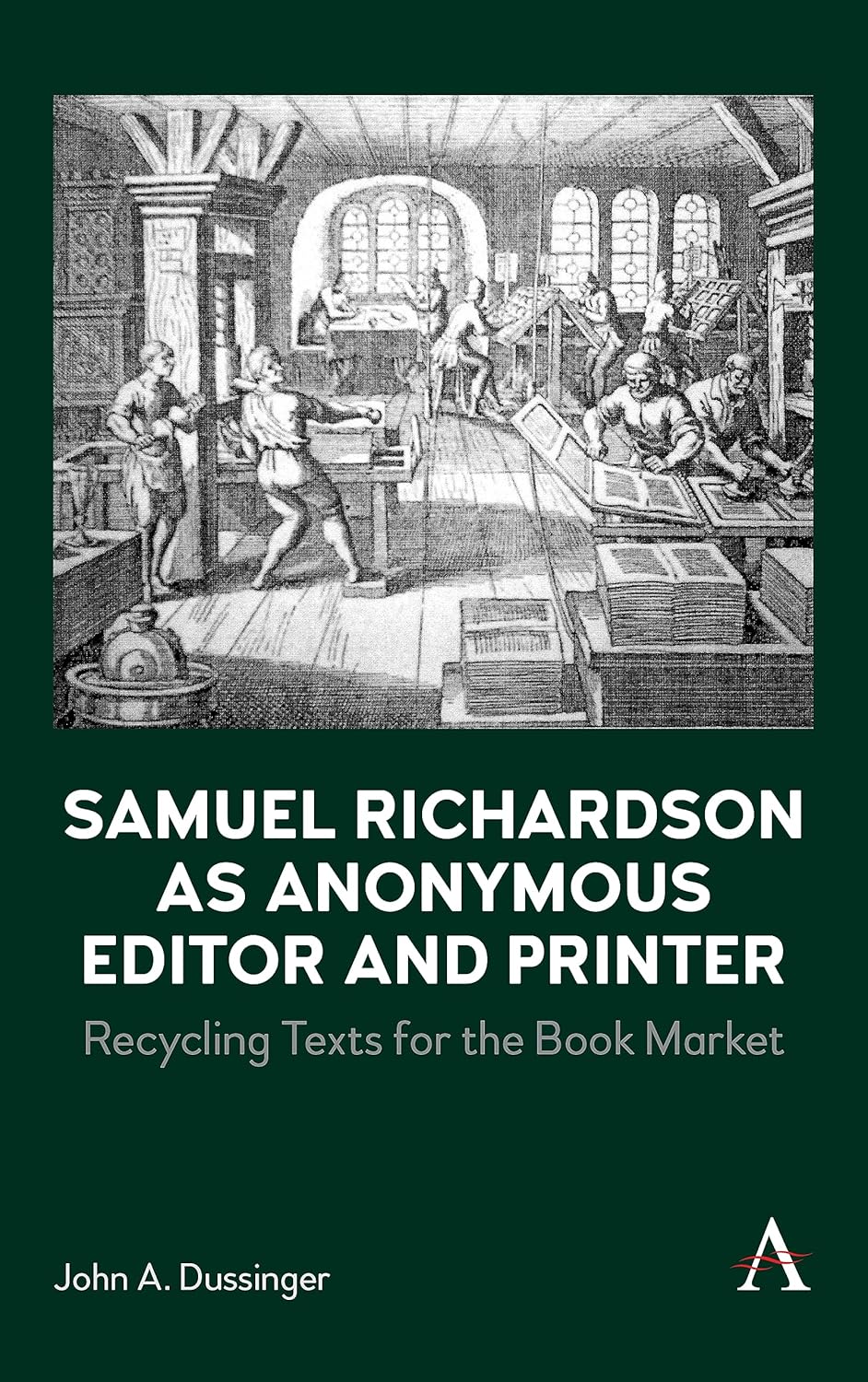
John A. Dussinger. Samuel Richardson as Anonymous Editor and Printer: Recycling Texts for the Book Market.
Dussinger’s book carefully curates and edits selections of Samuel Richardson’s writing from two important early periodicals.
-
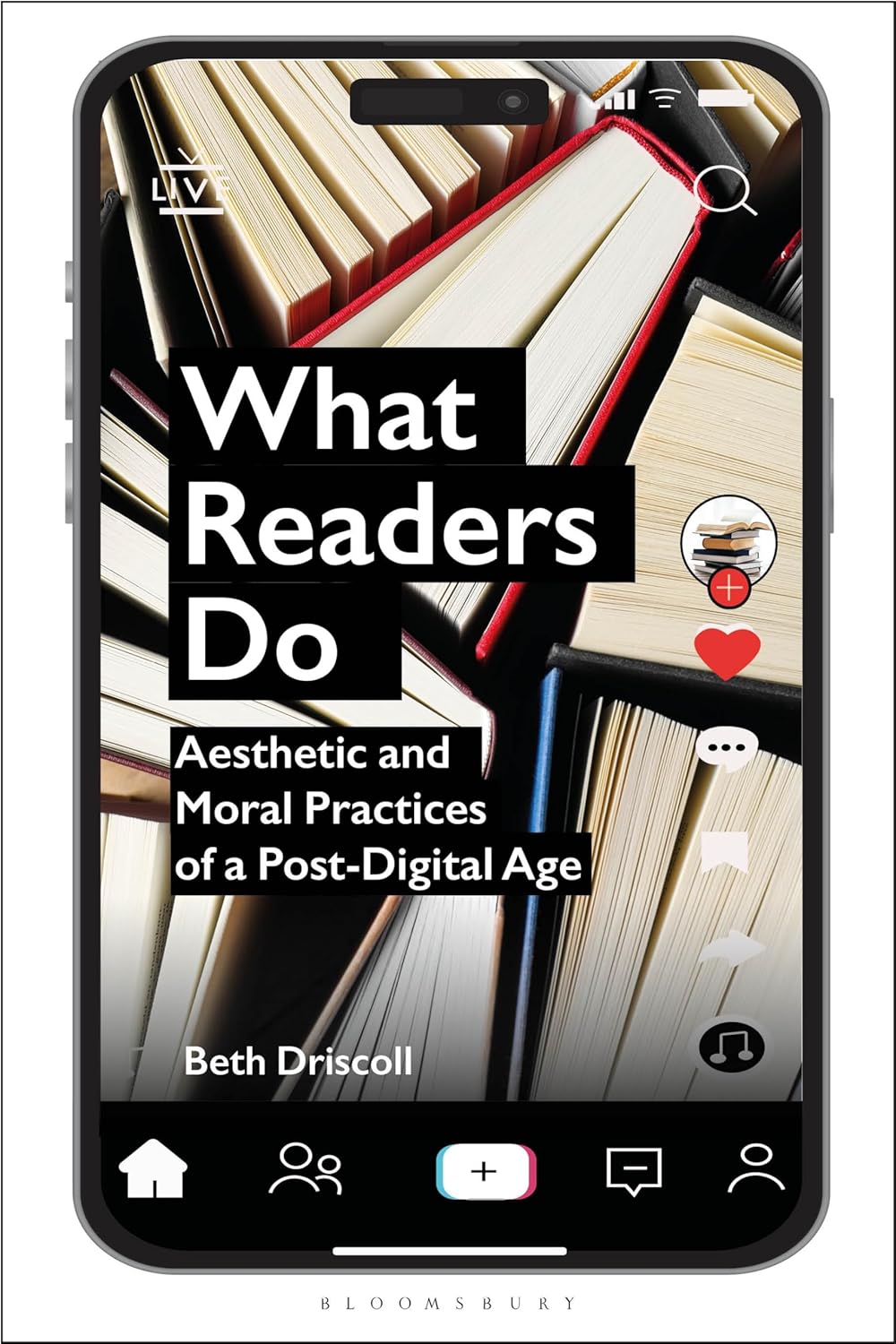
Beth Driscoll. What Readers Do: Aesthetic and Moral Practices of a Post-Digital Age.
This book offers a rich and concise overview of different facets of post-digital reading, skillfully unlocking the black box of ordinary and everyday practices.
-
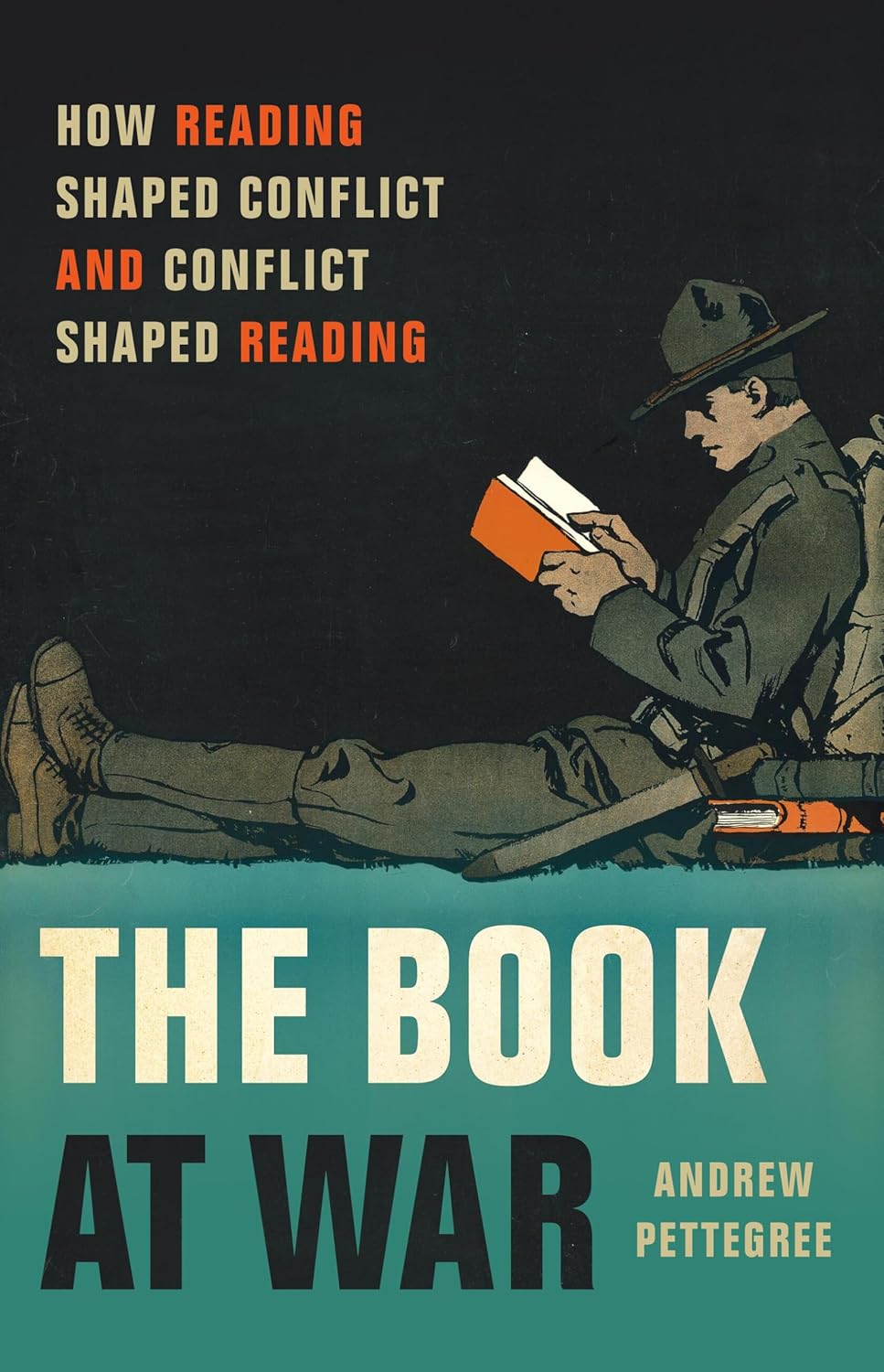
Andrew Pettegree. The Book at War: How Reading Shaped Conflict and Conflict Shaped Reading.
Andrew Pettegree’s new study investigates the multifaceted ways that books shape and are shaped by conflicts, as well as how wars have influenced writing, publishing, reading and collecting practices.
